Storytelling is the most powerful way to put ideas into the world today.
Think about it, when an NGO shares raw, real experience stories instead of dry facts, something shifts. Suddenly, statistics have a face. Distant problems feel personal. That’s the magic of storytelling: it turns abstract ideas into emotional connections.
For nonprofits, this isn’t just about “raising awareness.” It’s about making indifference impossible. A well-told story does what bullet points can’t: it sticks. According to Jennifer Aaker, “Stories are remembered up to 22 times more than facts alone.” For instance, donors remember the grandmother who walked 10 miles for clean water, or the tremor in an old man’s voice as he described losing his farm, far longer than they’ll recall a pie chart or a report.
And when it comes to proposals? A narrative that shows, not just tells, why your work matters makes your case unforgettable and greatly increases the chance of winning.Here’s one great example: charity: water raised nearly a billion dollars by replacing statistics with stories. They raised $7 million in a single night by dropping donors right into the story with those 360-degree experiences. They didn’t just talk about water problems – they made donors feel like they were right there in the villages. Instead of some report, they get to see exactly how their $20 changed someone’s life.
Storytelling- Why It Matters
Think about the last proposal that truly stood out to you. Chances are, it wasn’t just a list of bullet points or packed with jargon – it told a story. One that stayed with you. That’s the power of storytelling.
While many NGOs present dry data and dense technical language, storytelling helps your message cut through the clutter. It allows funders to feel something, and that emotional connection can make all the difference.
Creates an Emotional Connection
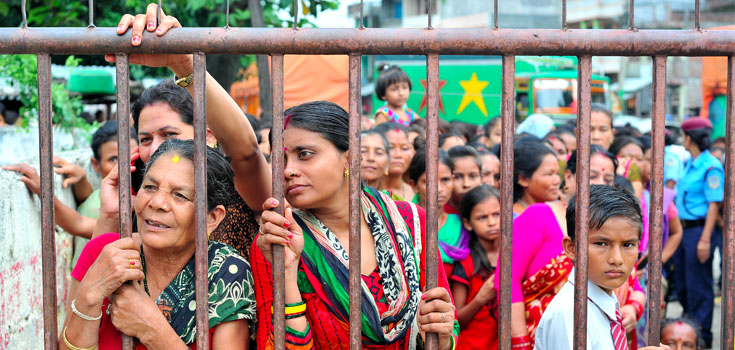
Storytelling makes your mission personal. It goes beyond facts to reveal the human side of your work. When funders see the real people behind the numbers, such as the mother receiving medical care or the child returning to school, they are more likely to care, remember, and act.
Make Your Message Memorable
People forget charts. But they remember stories. Why? Because stories engage the brain differently. They create imagery, emotion, and meaning. When you wrap your facts in a compelling narrative, your message sticks long after the proposal is closed.
Demonstrates Impact and Sets You Apart
Real stories about real people have a real impact. They bring your outcomes to life in a way numbers can’t. A clear story structure – problem, journey, and resolution – cuts through the noise and helps your proposal rise above the rest.
Builds Trust and Credibility
Authentic stories help build trust with your audience. They show that your organization understands the communities you serve. By letting beneficiaries speak in their own words, you demonstrate transparency and respect, key factors in building long-term donor relationships.
Simplifies Complex Issues
Many of the problems NGOs tackle, including climate change, migration, and health inequities, are complex and hard to explain. A well-told story can simplify these issues without oversimplifying them. It brings abstract challenges down to a human scale that funders can relate to and understand.
Engages Multiple Audiences
Whether you’re speaking to institutional donors, individual givers, policymakers, or the general public, stories resonate across all audiences. They are adaptable and can be told in many formats: written, spoken, or visual, making them a versatile tool in any outreach strategy.
Inspires Action
Data might convince someone that a problem exists, but stories are what inspire them to act. A powerful story with a clear call to action can drive donations, volunteer sign-ups, and partnerships. It motivates people not just to care, but to do something.
When you’re writing a proposal, think of it like telling a truly compelling story. It all starts with a character we can easily relate to, someone who represents the people or the community your project aims to support. This character faces a clear problem, and that’s where your organization steps in with a solution that brings about real, positive change. That means your proposal needs the same three things every great movie has: a hero in trouble (the community you serve), a game-changer (your program), and the happy ending they can help create.
Take charity: water, for example. They told Adane’s story, a young boy in Ethiopia whose daily life was defined by the struggle to get clean water. Through a two-part video series, they first laid out the huge global scope of water scarcity, then powerfully zoomed in on Adane’s personal experience. Hearing it in his own words made all the difference; Adane shared how clean water transformed his health, his education, and his entire future, empowering him to pursue his dream of becoming an engineer. This heartfelt, authentic narrative helped donors emotionally connect to the cause and see the real-world impact of their contributions.
Types of Stories NGOs Can Tell
In the nonprofit sector, data informs, but stories transform. While statistics demonstrate need, it is through compelling narratives that organizations truly connect with supporters. Here are five impactful storytelling approaches:
Beneficiary Stories: The most powerful stories don’t come from reports; they come from the people whose lives you’ve changed. Share their voices, their struggles, and exactly how your work made a difference – because nothing inspires action like real human transformation.
Staff and Volunteer Stories: It’s crucial to shine a light on the incredible people who make everything possible: your staff and volunteers. Sharing their stories builds trust and demonstrates that your organization isn’t just an entity, but a group of dedicated humans driving the mission.
Donor and Partner Stories: Spotlighting those who stand beside an organization – donors and partners – remains equally vital. These narratives reveal why donors contribute, what motivates partners to collaborate, and how joint efforts drive tangible change. Ultimately, they build credibility, reinforce alignment, and model meaningful partnership for future supporters.
Community Transformation Stories: Sometimes, it’s not just about one person’s journey; it’s about an entire place changing. These are the stories that show how whole communities have been transformed over time thanks to your efforts. You might talk about a village that went from struggling with basic needs to thriving, or a neighborhood that found new hope and opportunities.
Data-driven stories: Blending stats with real-life experiences turns cold data into something warm, unforgettable, and compelling. Connecting numbers to lived experiences transforms abstract data into relatable, memorable narratives. These stories help people grasp not only the scale of impact but the deeper significance behind it. They excel at illustrating magnitude while preserving emotional resonance, proving how one authentic story can animate an entire dataset.
How to Include Storytelling in Your Pitch Document
Storytelling turns your pitch from dry facts into a story that sticks. It helps donors feel your impact, connect with your cause, and get inspired to take action.
Strategic Story Placement: Stories land best when woven into key moments.
Open with a human moment – an opening anecdote grabs attention fast.
When describing the problem, anchor it in a real experience – it makes the issue visceral.
Show results through people, not just numbers – a beneficiary’s journey proves impact.
Close with inspiration – leave readers moved by a final story that echoes your mission.
Weaving Stories into Context: Stories make abstract problems feel real. When you include just one relatable example in your problem statement – someone’s actual experience – the issue suddenly becomes urgent and concrete. It’s that human connection that turns cold data into something meaningful.
Quotes and Testimonials: Weave in genuine quotes from the people who know best like beneficiaries, frontline staff, or committed donors. A few powerful words can earn trust fast, revealing transformation, raw emotion, or driving motivation. That authenticity gives your work real weight. “Let real voices speak for you.”
Visual Story Elements: Great visuals pull people in. Photos, infographics, and timelines work best when they’re real. Choose images that fit your story and feel true to your audience’s world.
Case Study Boxes: Spotlight individual narratives through concise case studies positioned in sidebars or boxes. Maintain sharp focus and employ compelling titles.
Pairing Stories with Data: Pair stats + stories: numbers show breadth, voices show depth. That’s how impact gets real.
Developing Your NGO’s Storytelling Strategy
A clear storytelling strategy helps your organization share consistent, mission-driven stories that resonate deeply. With a plan in place, you’ll collect the right narratives, empower your team, and weave storytelling into every communication. Here’s how to build one:
Set clear goals for what your storytelling should achieve, whether it’s fundraising, raising awareness, building trust, or deepening community engagement.
Outline clear pathways for stories – from collection and review to consistent sharing across teams and communication channels.
Train your staff and volunteers on how to gather and tell stories – using interviews, observation, and respectful listening, so they can capture narratives that are authentic, moving, and aligned with your mission.
Prioritize ethical storytelling – always get informed consent, explain how the story will be used, protect privacy when necessary, and avoid exploiting suffering. Treat every storyteller with dignity and respect.
Set up a story bank – a shared library where your team can store approved stories, quotes, images, and videos. Organize it by theme, region, or program to make it easy to use across proposals, reports, and campaigns.
Tailor your stories for different audiences – donors, partners, the general public, or policymakers. Adjust the format, tone, and detail level for each context (e.g., social media, annual reports, grant proposals).
Track what works and adapt – monitor engagement, collect internal feedback, and refine your strategy over time. Let your storytelling evolve as your organization grows.
If you want to enhance your proposal writing skills, explore our comprehensive resource guide. It contains practical strategies and annotated examples from successful proposals, providing actionable insights to help you learn and grow your skills.
Urika is passionate about supporting campaigns and initiatives that drive positive change. She is a computer science graduate, eager to apply her knowledge and skills to volunteering efforts that improve and strengthen communities. She believes small efforts can lead to meaningful outcomes and works to connect technology with social impact to foster growth, and development, in communities.
One thought on “Storytelling for NGOs”
Storytelling is really nice. i enjoyed each night with my son anytime i’m telling him a mid-night story. telling stories to children is nice and good, it helps them to keep the story in their mind. i like telling my son story about history, because they are past event that has happened. https://www.cardshure.com/military-star-credit-card-login-customer-service/



Storytelling is really nice. i enjoyed each night with my son anytime i’m telling him a mid-night story. telling stories to children is nice and good, it helps them to keep the story in their mind. i like telling my son story about history, because they are past event that has happened.
https://www.cardshure.com/military-star-credit-card-login-customer-service/